

Health & Fitness · Kenya · Hospitals
Kenya's National Assembly passes a bill to stop hospitals detaining patients over unpaid bills
The Health (Amendment) Bill passed its third reading on Wednesday, the Eastleigh Voice reported. Nation said the fine for detention would be up to 2 million shillings, about $15,389 at Thursday's central-bank rate. The bill is not yet law.
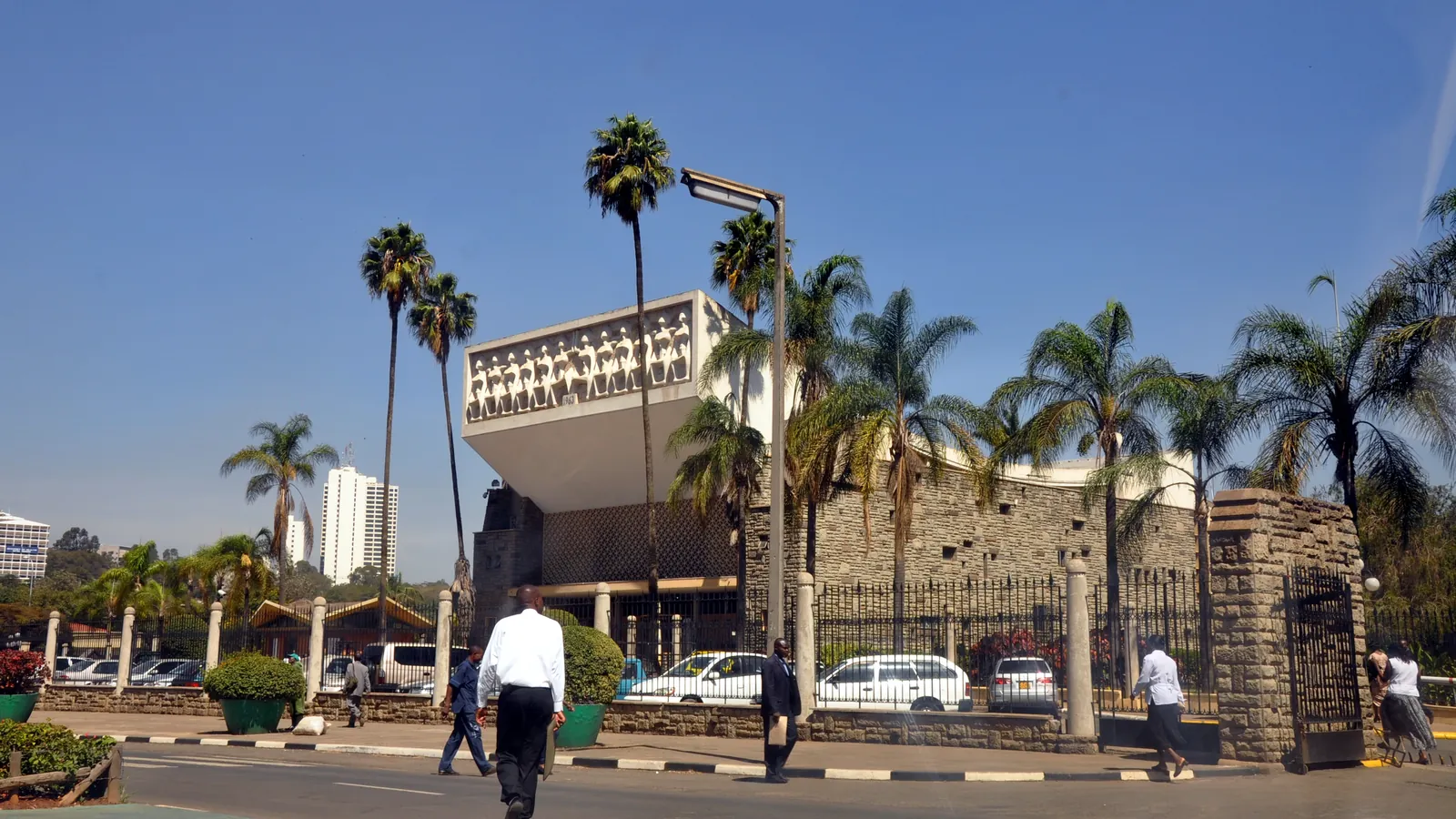

NAIROBI. Kenya's National Assembly has passed the Health (Amendment) Bill, 2024, which would stop hospitals holding a discharged patient, or the body of a person who has died, because the bill has not been paid. The Eastleigh Voice reported on Wednesday, 11 November, that the House approved the bill at third reading that day. Daily Nation reported the passage on Friday and said the measure still needs President William Ruto's assent. It is not yet law.
The sponsor is Kirinyaga Woman Representative Jane Njeri Maina. Nation identified the sponsor as Njeri Maina. The morning order paper of 11 November lists the bill as National Assembly Bill No. 56 of 2024, in the name of Njeri Maina.
Nation quoted the bill: "A person in charge of a health facility shall not detain, permit or cause the detention of a patient who has been discharged or the body of a deceased on grounds of non-payment whether in part or in full of the hospital bills or medical expenses."
Nation said a person found guilty faces a fine of up to 2 million shillings. The committee-stage text on the morning order paper uses the same ceiling. It says a person who contravenes the new section "commits an offence and is liable, on conviction, to a fine not exceeding two million shillings." At the Central Bank of Kenya's published dollar rate on 12 November, 129.96 shillings to the dollar, 2 million shillings is about $15,389. The fine in the text is in shillings. The central bank had not posted a 13 November rate when this story was filed.
The same committee amendment would change section 12 of the Health Act so that the existing duty is carried out "without demanding the prepayment of prospective medical costs from a user." Nation said the bill makes it an offence for hospitals to deny admission or treatment because a patient has not paid a deposit or part of the expected medical costs.
The Eastleigh Voice reported a further fine, of up to 3 million shillings, for public facilities that demand prepayment before emergency treatment, and it described the 2 million shilling fine as applying to public officers who facilitate the detention of bodies. That 3 million shilling figure is not in the committee amendment AB24 read, and Nation's account of the fine matches the order paper's 2 million shilling ceiling. AB24 has not converted the 3 million shilling figure.
Under a new clause 4A, Nation reported, a hospital would have to discharge a patient, or release a body, once a promissory note is signed to secure the unpaid bill. The order paper says the note has the meaning given in section 84 of the Bills of Exchange Act. Nation said the document would set the payment period and the arrangements, would be signed by the person taking responsibility for the bill, and would be enforceable in court.
The order paper says the detention ban does not apply to a patient admitted in a private or semi-private room. Nation reported the same exception. It said patients who choose those rooms would still have to settle their bills before discharge, or before a body is released, except in an emergency or where there is a medical necessity.
James Nyikal, chair of the National Assembly health committee, told Nation: "This has been a major problem in our country and our courts have ruled on more than one occasion that a body cannot be held liable to enforce payment." On the promissory note, he said: "There have been arguments that expenses have been incurred in taking care of this person whether they die or they are discharged and therefore arrangements should be made for the people who have been taking care of them to recover their cost and that is why we have brought in the issue of promissory note."
Mwingi West MP Charles Ngusya told Nation: "Why should hospitals detain dead bodies? It's not even healthy. Let's ensure this law is implemented fully." Nation reported that Dagoretti South MP John Kiarie singled out private hospitals, which he said had been notorious for detaining bodies. The Eastleigh Voice said the bill drew support from Kiarie and from Embakasi East MP Babu Owino.
Nation said this is the third attempt to legislate against the practice, and that two earlier bills did not become law. It also reported that in September 2025 Justice Nixon Sifuna ordered the release of a body after a family in Kirinyaga could not raise 3.3 million shillings in mortuary charges. Nation quoted him: "There is no law providing for a hospital's right of lien over patients or over their remains should they die while hospitalized or undergoing treatment." That 3.3 million shilling figure is from 2025. AB24 has not converted it.
The Eastleigh Voice said that, having passed the National Assembly, the bill goes to the next stage before it can be presented to the president. Until assent, hospitals are not under the new offence.
AB24's reading from Nairobi: the National Assembly has passed a bill that would make detention over an unpaid bill an offence, with the fine capped at 2 million shillings in the committee text, about $15,389 at Thursday's central-bank rate, and would put a promissory note in place of detention. The president has not assented, and the text can still change.
Sources: The Eastleigh Voice, 11 November 2026; Daily Nation, 13 November 2026; National Assembly, order paper, morning sitting, 11 November 2026; Central Bank of Kenya, daily exchange rates, posted 12 November 2026. The dollar figure is AB24's conversion of the 2 million shilling ceiling at that rate. The 3 million and 3.3 million shilling figures are left in shillings.
AB24 · Nairobi