

Tech · Kenya · Courts
Kenya's courts pilot an in-house AI research tool as nearly 580,000 cases wait
The Judiciary's annual report says Mahakama AI is being tested by judges for legal research, while a draft policy would ban uploading confidential case data to unapproved systems and require human checks on AI citations.
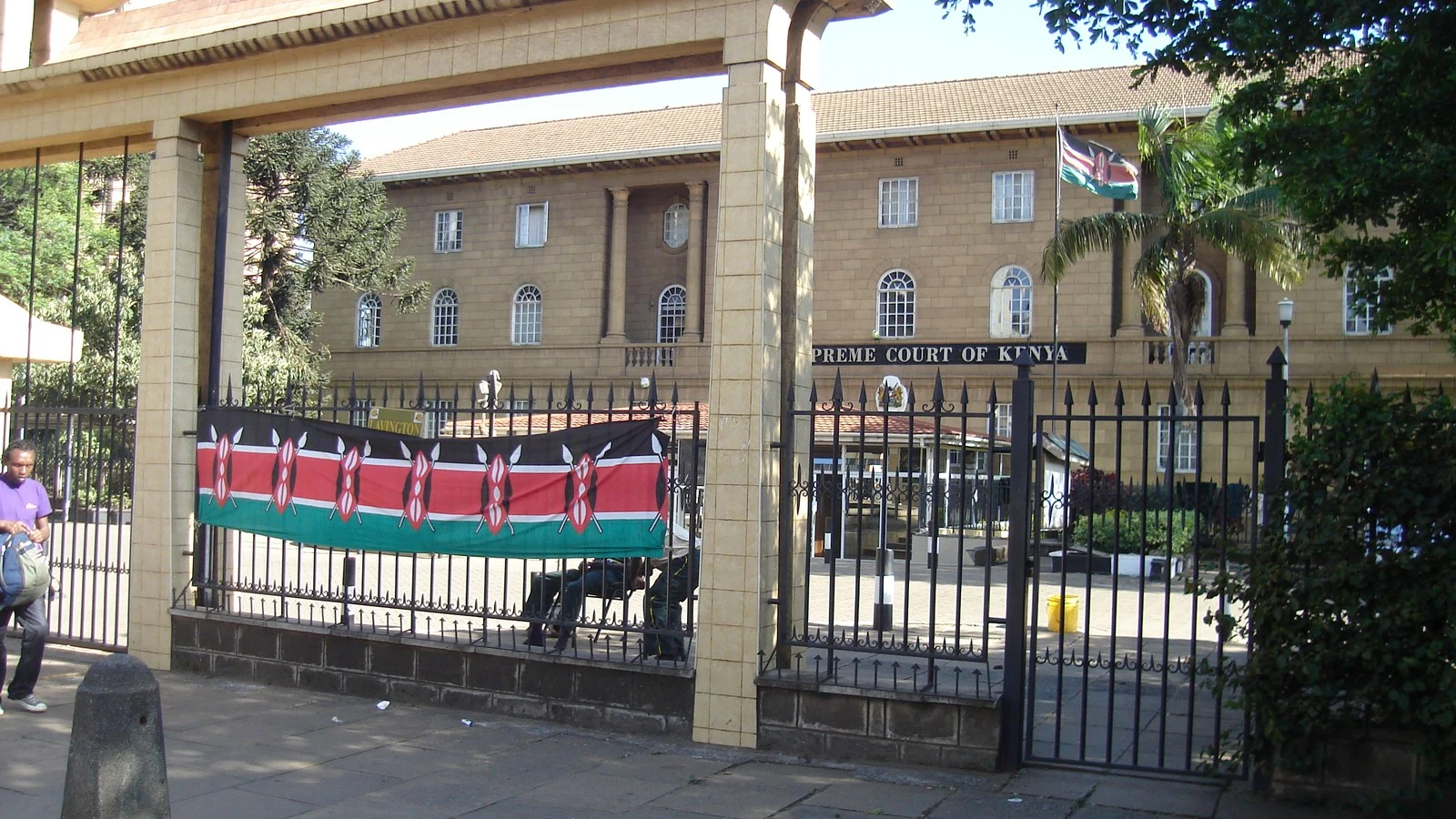

Kenya's Judiciary has built and is piloting an artificial intelligence tool to help judges with legal research, as the courts work through a backlog of hundreds of thousands of cases.
The tool, called Mahakama AI, draws on judicial decisions held by the Judiciary and the Kenya Law database. It offers semantic search, fast retrieval of statutes and past rulings, and citation checks. It is being tested internally by judges and judicial officers.
The details are in the State of the Judiciary and the Administration of Justice Annual Report 2025/2026, released on Thursday.
A heavy caseload
Kenya's courts had 579,954 pending cases on 30 June 2026, according to the report.
The courts resolved 576,702 cases during the year, more than the 561,580 new cases filed. Even so, 341,412 pending cases, or 58.9%, were classed as backlog, meaning they had been in the system for more than a year. Of those, 175,360 had been pending for more than three years.
Magistrates' courts carry most of the load, with 444,107 pending cases and 274,177 backlog cases.
The Judiciary is also short of staff. It has 8,017 employees against an approved establishment of 12,079. Only 244 legal researchers and senior legal researchers are in post, against 650 approved positions.
Rules still being written
The report flags the unregulated use of AI tools in judicial research and administration as an urgent emerging issue. It warns that unverified tools can produce research errors, fabricate citations or leak confidential case details.
A draft Artificial Intelligence Adoption Policy and Practice Directions has gone through stakeholder consultation and is expected to be adopted in the next financial year. The draft would bar judicial officers from uploading confidential case data to unapproved external systems, require human verification of AI-generated citations and outputs, and set cybersecurity and data protection audits before any wider rollout.
"Clear safeguards are necessary to preserve judicial independence, procedural fairness and reasoned decisions," the report said.
Chief Justice Martha Koome said the Judiciary's budget rose to KSh27.15 billion, about $210 million, in the 2025/26 financial year. She said that still left a funding gap of about KSh12.95 billion, roughly $100 million.
SourcesShow
- The Star (Kenya), "Mahakama AI: Judiciary pilots AI tool to tackle chronic case backlog", 19 November 2026: https://www.the-star.co.ke/news/2026-11-19-judiciary-pilots-ai-tool-to-tackle-case-backlog
- The Star (Kenya), "Report: Nearly 580K court cases still pending despite improved clearance", 19 November 2026: https://www.the-star.co.ke/news/2026-11-19-report-nearly-580k-court-cases-still-pending
- Radio Generation, "Judiciary leverages AI and digital platforms to modernise courts", 19 November 2026: https://radiogeneration.co.ke/judiciary-leverages-ai-and-digital-platforms-to-modernise-courts-49304
AB24 · Nairobi