

Climate & Energy · Kenya · Power
Kenya Power warns households could pay more as open access ends its monopoly
New rules let generators sell directly to big businesses. The utility says losing those customers would erode the cross-subsidies that keep domestic tariffs down.
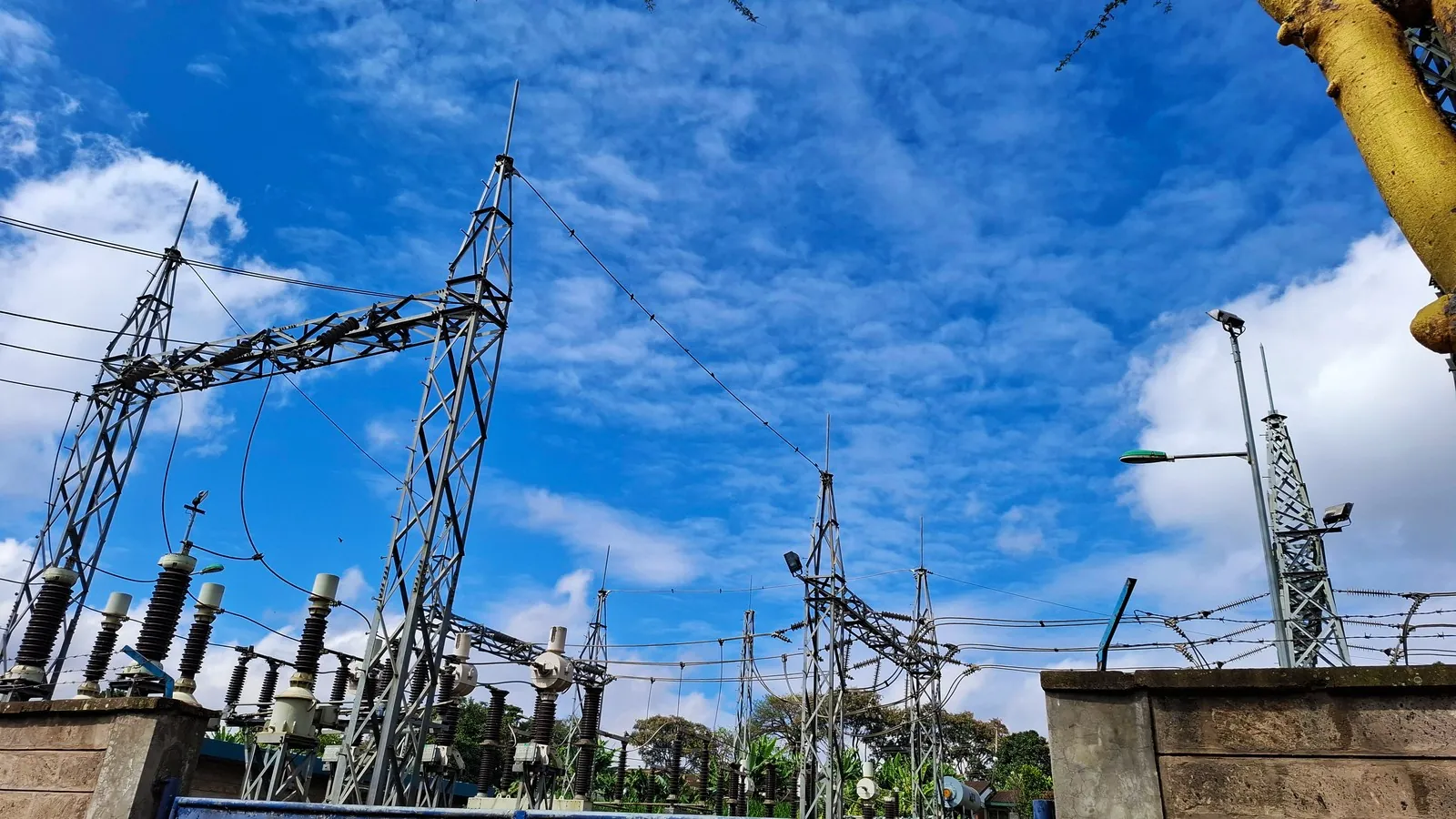

Kenya Power has warned that household electricity bills could rise as new rules allow private generators to sell power directly to large businesses, ending its monopoly on retail supply.
In its latest annual report, the state-backed utility said open access puts pressure on the cross-subsidy model that cushions domestic consumers. Under that model, large commercial and industrial customers pay more per unit, which helps keep household tariffs lower.
"Open access introduces new competitive dynamics, including potential customer migration and pressure on cross-subsidies across tariffs," Kenya Power said in the report.
The utility added that the new regulations potentially reduce revenue from migrating customers, erode tariff cross-subsidies and strand fixed network costs.
Why big customers matter
Commercial and industrial customers account for nearly 60% of Kenya Power's sales revenue. They bought 7,313 gigawatt-hours, about 70% of the 10,570 gigawatt-hours the company sold in the year to June 2025.
Kenya Power's revenue rose 8.6% that year to Sh238.24 billion, about $1.83 billion.
Its warning echoes the World Bank, which has said retail consumers may face higher tariffs if the larger customers leave. The bank has also flagged risks from Kenya Power's long-term power purchase agreements with generators such as KenGen, Lake Turkana Wind Power and OrPower4. Some contracts run for up to 25 years.
Kenya Power paid 27 power producers Sh117 billion, about $900 million, in the year to June 2023.
How the new market works
The government published the Energy (Electricity Market, Bulk Supply and Open Access) Regulations on 8 May. They allow producers without existing supply contracts with Kenya Power to sell electricity to large consumers such as factories and commercial firms.
Those producers will pay Kenya Power and the Kenya Electricity Transmission Company (Ketraco) wheeling charges to use their networks. Direct supply deals will run for one to 10 years, and the Energy and Petroleum Regulatory Authority (EPRA) must approve the prices.
The government says competition will give homes and businesses more choice and eventually lower bills. The cost of 50 units of domestic power has risen to Sh1,278, about $9.80, from Sh823, about $6.30, in 2019.
Large users have long complained about unstable supply and high costs, and some have turned to solar and biomass plants for backup. KenGen, the biggest supplier to Kenya Power, has for years sought to sell directly to consumers.
EPRA has opened public consultations on the wheeling charges that producers will pay for using the grid, running to 11 December.
SourcesShow
- Business Daily, "Kenya Power flags costly tokens as monopoly ends", 25 November 2026. https://www.businessdailyafrica.com/bd/corporate/industry/kenya-power-flags-costly-tokens-as-monopoly-ends-5684406
- Pulse Kenya, "Kenyan Households Could Pay More for Electricity as Kenya Power Risks Losing Share of Sh238.24 Billion Revenue", 26 November 2026. https://www.pulse.co.ke/story/kenyan-households-could-pay-more-for-electricity-as-kenya-power-risks-losing-share-of-sh23824-billion-revenue-2026112604451830848
- Central Bank of Kenya, indicative exchange rates, 25 November 2026. https://www.centralbank.go.ke/new-rates/
AB24 · Nairobi