

Business · Southern Africa
Mozambique’s central bank plans to buy locally mined gold to diversify its reserves
Governor Felisberto Navalha told the Bank of Mozambique’s advisory council in Tete that a work plan with the mining ministry is being drawn up. No volumes or start date yet, and output has been falling while Manica and Niassa mines are suspended.
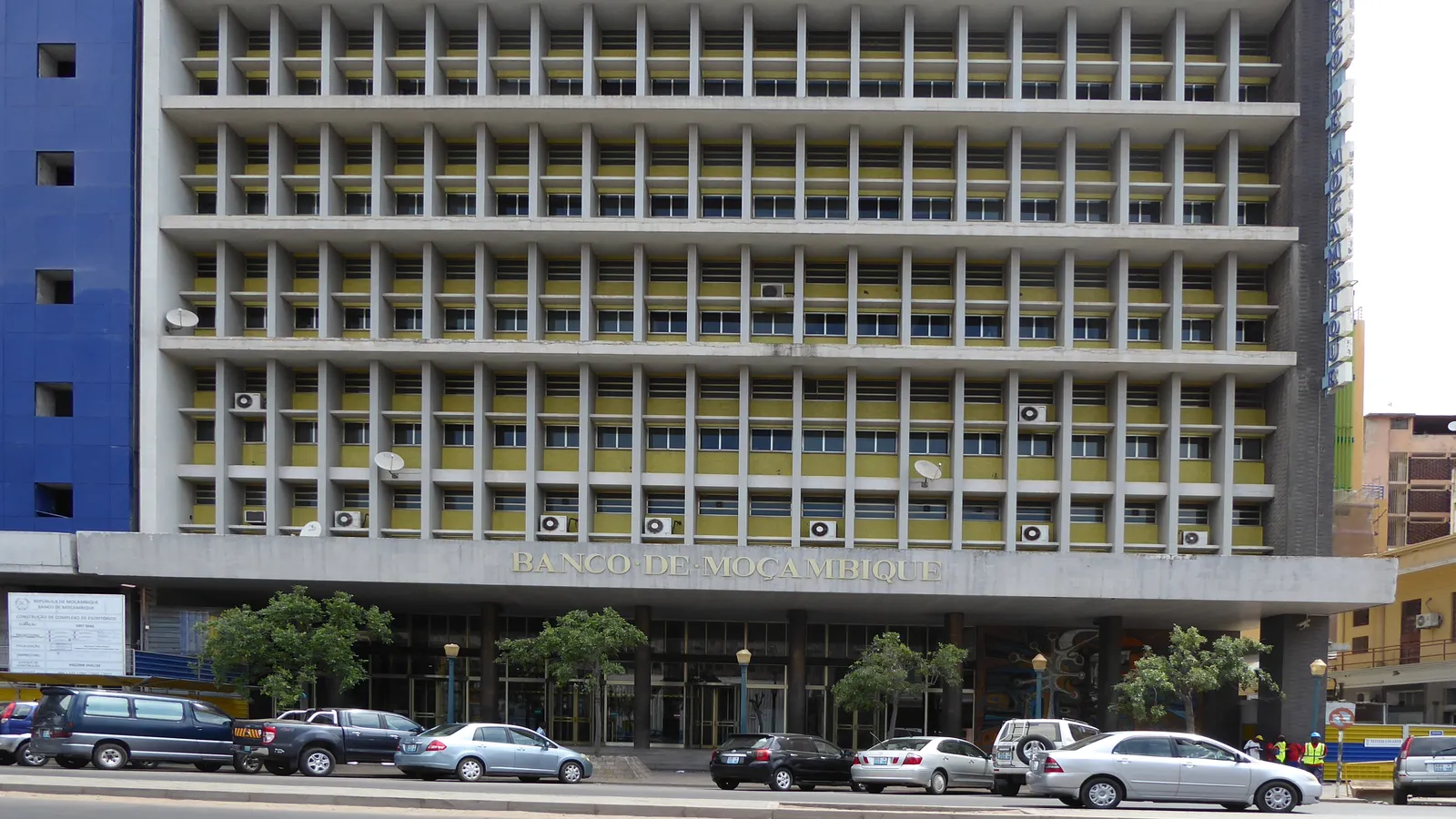

JOHANNESBURG — The Bank of Mozambique is preparing to buy gold mined in the country to add to its international reserves, Governor Felisberto Navalha said on Wednesday, joining a growing list of African central banks that buy domestic output.
“In the area of international reserve management, and in coordination with the Ministry of Mineral Resources and Energy, we are drawing up a work plan aimed at operationalising the acquisition of domestically produced gold,” Navalha said at the opening of the bank’s 51st Advisory Council in Tete, according to Lusa, carried by Club of Mozambique. The bank’s own account of the speech says the move is in line with central banks, including those in the region, strengthening and diversifying reserves. It was his first advisory council as governor.
A small, volatile supply
The plan depends on a sector that has struggled. Lusa reports that output fell 17% in 2025 to 1,349.3 kg, only 82% of target, mainly because mining in Manica province was suspended during a crackdown on illegal mining. Output fell another 12% in the first half of 2026, to 713.33 kg, after companies in Niassa were also suspended while their licences were regularised. The draft 2027 Economic and Social Plan and budget forecasts a rebound to 1,809.2 kg, which would be a record.
The bank’s existing gold holdings rose 65% in value in 2025, to 35,034.9 million meticais, mainly because of higher international prices rather than more metal, Lusa said, citing the bank’s financial statements. In March the government said investors from the United Arab Emirates were interested in building Mozambique’s first gold refinery.
The wider picture from Tete
Navalha told the council that the economy grew just 1.7% in the second quarter after contracting 0.2% in 2025, and that bank credit to the economy was up only 0.5% year on year by September. The policy rate (MIMO) has been held at 9.25% since March, and annual inflation eased to 6.31% in September from 7.51% in June. Reserves cover about five months of imports of goods and services, excluding large projects, and the sovereign wealth fund held about US$153 million by October. A new centralised foreign-exchange platform is due by December.
AB24’s Southern Africa business desk reading: with recorded output of about 1.3 tonnes a year, Maputo’s buying will be small next to Ghana’s or Tanzania’s domestic gold programmes. The details to watch are traceability and the pricing formula, since the plan only works if miners prefer selling to the central bank over informal export channels.
Sources: Banco de Moçambique, 28 Oct 2026; Lusa via Club of Mozambique, 28 Oct 2026. Euro conversions as reported by Lusa.
— AB24 · Johannesburg