

Business · Senegal · West Africa
Senegal’s parliament throws out the revised 2026 budget, putting a $2.2bn IMF programme at risk
Ousmane Sonko’s Pastef majority voted the bill down, deepening his feud with President Bassirou Diomaye Faye. The revised budget raised the deficit target to 7.6% of GDP and cut growth to 2.7%.
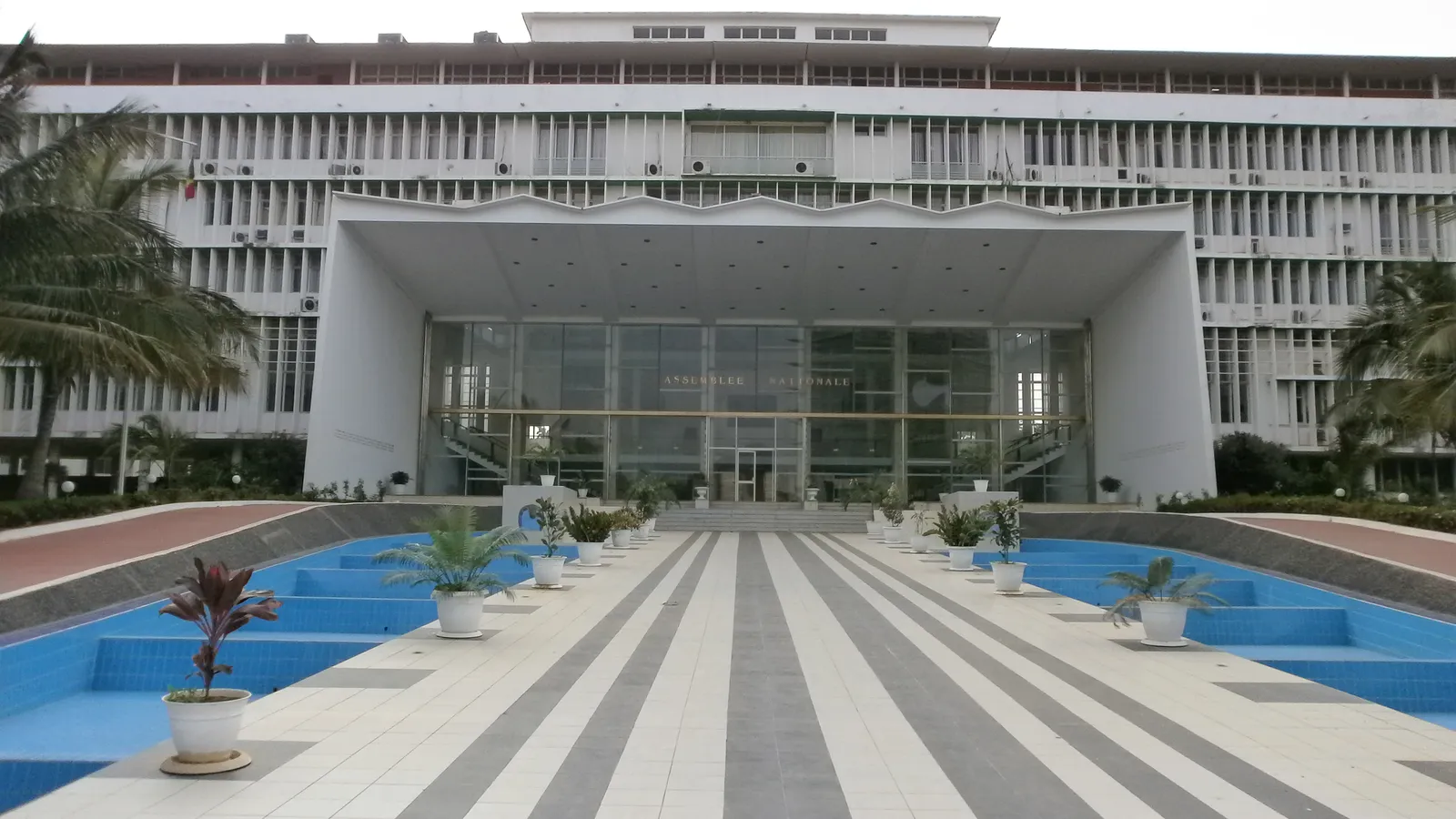

DAKAR — Senegal’s National Assembly has voted down the government’s revised budget for 2026, deepening a standoff that could delay the IMF programme at the centre of the country’s plan to fix its debt. A total of 126 of the Assembly’s 165 members voted against the amended budget on Tuesday, according to a National Assembly statement reported by Reuters, which gave revised numbers after a technical problem with the vote count. Only 20 lawmakers voted for it, AFP reported via Africanews.
Pastef, the party of National Assembly president Ousmane Sonko, controls parliament and opposes the bill in its current form. Sonko was sacked as prime minister by President Bassirou Diomaye Faye earlier this year but keeps strong influence, and the two men are locked in a political feud. The finance committee had already rejected the bill twice, and the full house sent it back to committee a week ago.
The IMF timetable
Senegal reached a staff-level agreement with the IMF in early September on a $2.2bn, three-year programme, but the Fund’s executive board must approve it before money flows. The deadlock could derail hopes of a board vote as early as next month, AFP reported. The programme and a debt restructuring under the G20 Common Framework, which Sonko has criticised, are central to restoring debt sustainability after the discovery of billions of dollars of unreported borrowing by the previous government. Debt reached 132% of GDP at the end of 2024, according to the IMF.
The amended budget cuts this year’s growth forecast to 2.7% from about 5% and raises the deficit to 7.6% of GDP from 5.4%, Reuters reported. Pastef lawmaker Amadou Ba said the deficit should be brought down to 6% of GDP. Finance Minister Cheikh Diba told reporters after the vote that 7.6% was a ceiling that should not be exceeded, not a firm projection.
The row comes as youth unemployment is high and a cost-of-living crisis recently led to a three-day general strike, Africanews said.
AB24’s reading from Dakar: this is now a fight over who sets fiscal policy, the presidency or the Assembly. Watch whether the government brings back a budget with a lower deficit, whether the IMF board date slips into 2027, and how Senegal’s dollar bonds react.
Sources: Reuters via MarketScreener, 3 Nov 2026; AFP via Africanews, 3 Nov 2026.
— AB24 · Dakar