

Politics · Somalia · Elections
Somalia's cabinet backs closed party lists for its planned direct parliamentary vote
Ministers approved changes to 23 articles of the 2024 electoral law and eight of the parties law, saying both must be brought into line with the March constitution. Parliament still has to vote on them.
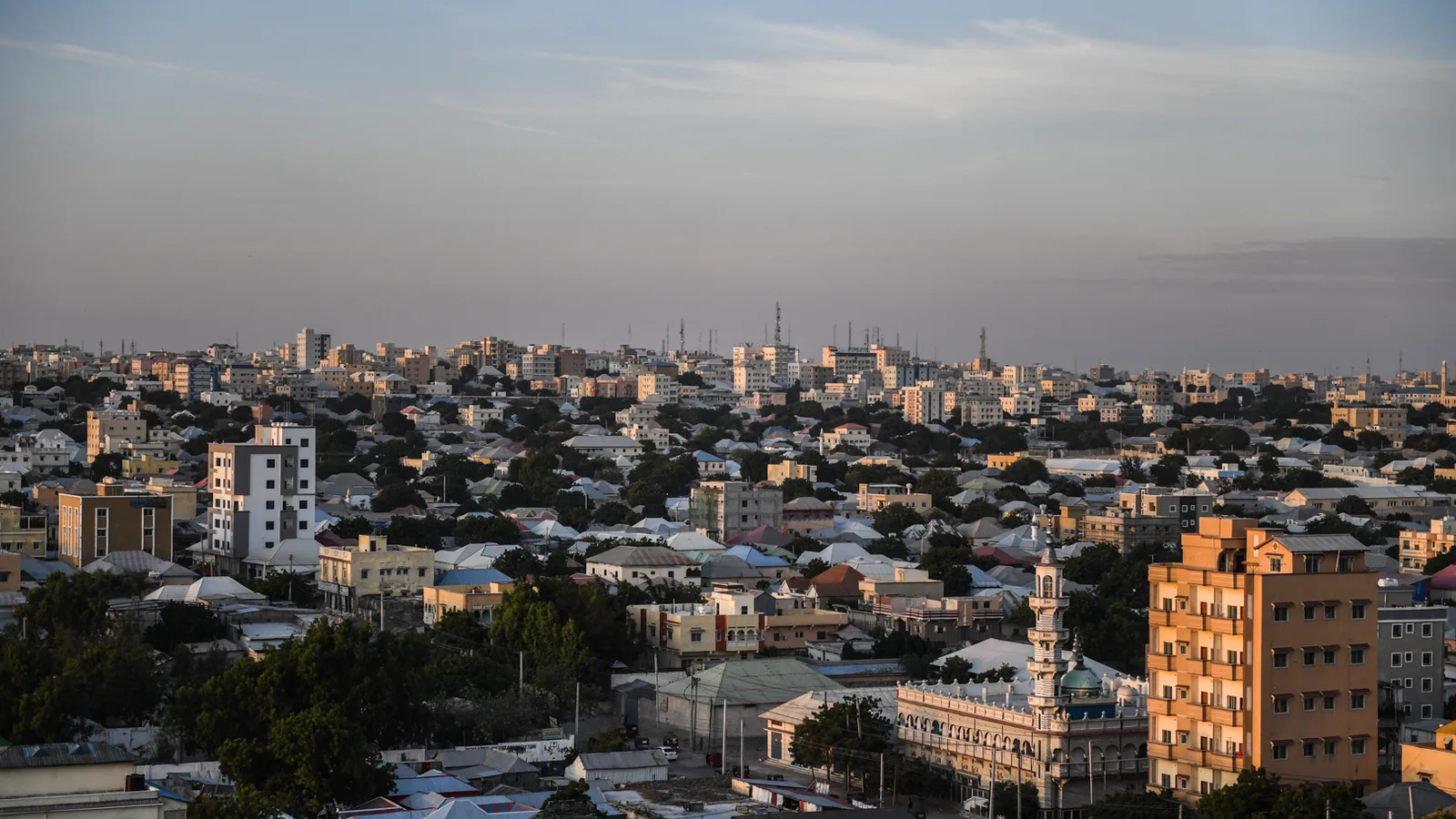

Somalia's cabinet on Tuesday night approved amendments that would make political associations put up their parliamentary candidates on closed party lists, a key change to the rules for the country's planned shift to direct elections.
Prime Minister Hamza Abdi Barre chaired the extraordinary meeting in Mogadishu. The proposals cover 23 articles of the National Elections Law, passed in November 2024 as Law No. 28, and eight articles of the law on political associations and parties. Ministers said both laws were adopted before the constitution approved in March and had to be aligned with it. The changes need parliamentary approval.
Voters pick a slate
Under a closed list, each political association ranks its candidates and voters choose the slate. Seats won go to candidates in the order the association set. The 2024 law provides for open lists in both houses, which give voters a say over which candidates take their party's seats.
Citizens would directly elect local councils, state assemblies and both houses of the federal parliament. Those bodies would then elect executive leaders, from district chairs to the president of the republic. The 2024 law provided for a direct presidential vote; the March constitution gives that choice to lawmakers.
A political association that wins 10% of the vote in federal elections would become a national party. The electoral commission would also be allowed to bring in technical arrangements to make registering and voting simpler, in line with a constitutional requirement.
A disputed timetable
The amendments come amid a standoff over mandates. On 5 November the Supreme Court ruled that the terms of parliament and the cabinet expired on 14 April and that President Hassan Sheikh Mohamud's term ended on 15 May. The government says the March constitutional changes extend officeholders' terms by a year.
The electoral commission has scheduled elections for both houses for 15 April 2027 and the presidential vote for 15 May 2027. The opposition Somali Future Council, which includes the leaders of Puntland and Jubaland, wants a direct vote for lower house seats allocated to sub-clans and argues that a party-based system would favour the president's political association.
At the same meeting the cabinet approved an agreement with the United Nations to establish an office of the UN High Commissioner for Human Rights in Somalia.
SourcesShow
- SONNA (Somali National News Agency), "Somali Cabinet Approves Amendments to Political Parties and National Elections Laws", 24 Nov 2026. https://sonna.so/en/article/Somali-Cabinet-Approves-Amendments-to-Political-Parties-and-National-Elections-Laws
- Somalia Today, "Somalia cabinet approves closed lists for parliamentary polls", 25 Nov 2026. https://somaliatoday.com/politics/somalia-cabinet-approves-closed-lists-for-parliamentary-polls-2026-11-25/
AB24 · Addis Ababa