

Business · Central & East Africa
Conflict gold now pays for the Islamic State-linked ADF in eastern Congo, and much of it ends up in Uganda, a report says
The Sentry says ADF-controlled mines around Manguredjipa alone earn the group $1m–1.6m a year, letting it rely less on Islamic State money. It traces the metal through Butembo to Ugandan refiners and Dubai. Kampala and Kinshasa did not respond to Reuters.
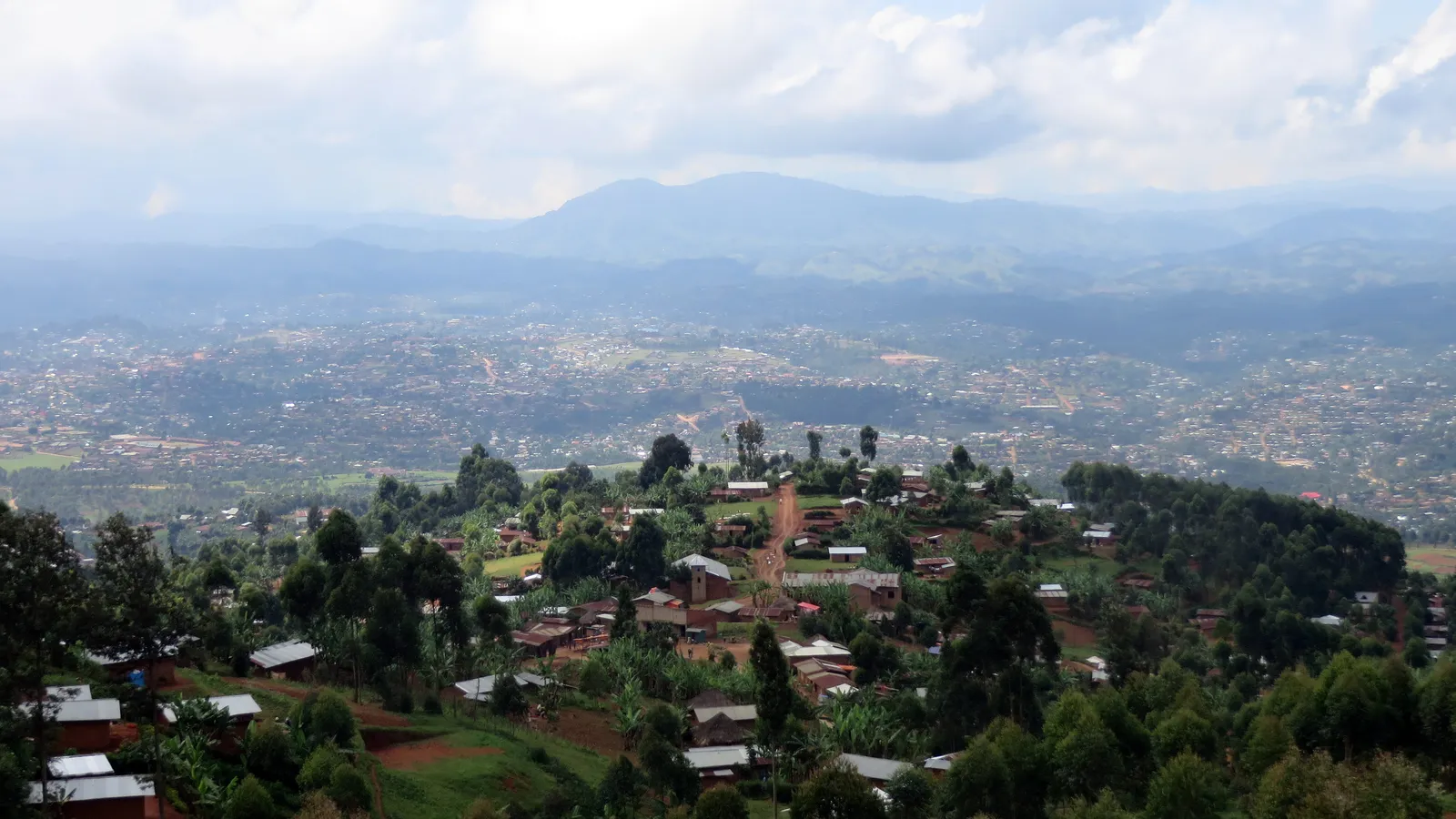

NAIROBI — The Allied Democratic Forces, the Islamic State-affiliated group behind some of the worst massacres in eastern Democratic Republic of Congo, now pays for its war mainly with gold. Much of that gold flows into Uganda, whose army is in Congo to fight the group, according to a new investigation by the US-based research group The Sentry.
The report, titled Gold-Backed Brutality and published on Tuesday, says that conflict gold trafficked to Uganda provides most of the ADF’s new financing, followed by cocoa, racketeering and kidnapping, The Sentry said. Those revenues have let the group shift away from depending on money from Islamic State, a change that accelerated after US sanctions hit key facilitators in late 2024, Reuters reported. The Sentry says mines the ADF controls around Manguredjipa, in Lubero territory, North Kivu, earn it between $1 million and $1.6 million a year. The group holds several other gold-rich areas.
From the pit to Dubai
The chain runs from pits in the Bapere sector to traders in Manguredjipa, buying houses in Butembo, refiners in Uganda and operators in Dubai. Using prices The Sentry recorded on 22 January 2026, the Congolese mining outlet MINES.CD traced a gram rising from about $123 in Manguredjipa to nearly $155 on the international market. It also reported, citing the report, that at least 30 of the 54 gold buyers still active in Manguredjipa in March 2026 were knowingly buying metal from sites controlled by the ADF or other armed groups. At one site, Botambisi, the number of diggers fell from about 3,000 to 350 after the ADF arrived, yet output stayed at around 5 kg a week, MINES.CD reported.
“Illicit gold is now the chief source of financing for the ISIL-affiliated terrorist group in the DRC, with the gold then flowing to Uganda and the UAE,” said Sasha Lezhnev, senior policy adviser at The Sentry, who urged the gold and financial industries to treat both as high-risk. The group’s executive director, Justyna Gudzowska, called on the US, UK, EU and UN Security Council to go “after the financiers, gold traders, and facilitators”.
The Uganda question
Uganda has kept several thousand troops in eastern Congo since joint operations against the ADF began in late 2021. The Sentry argues that those operations have dispersed the group into gold- and cocoa-rich areas rather than defeating it, and that the continued threat helps Uganda keep a presence in strategically important parts of the region. “Uganda’s joint military operation targeting the ADF has merely displaced it, and the operation serves Uganda’s economic interests,” said co-founder John Prendergast. Those are The Sentry’s conclusions, reported by Oicha News and others. Spokespeople for Uganda’s army and government and for Congo’s government did not immediately respond to Reuters’ requests for comment.
AB24’s reading from Nairobi: international attention in eastern Congo has been on the Rwanda-backed rebellion in the Kivus, while the ADF, which The Sentry calls the world’s second deadliest non-state armed group in 2025, has funded itself from small mines. Watch for whether Washington or the UN sanctions committee acts on gold traders named in the report, and whether Kampala responds.
Sources: The Sentry, 27 Oct 2026; Reuters, 27 Oct 2026 (via Internazionale); MINES.CD, 28 Oct 2026; MINES.CD, 29 Oct 2026; Oicha News, 30 Oct 2026. Revenue and price figures are The Sentry’s or derived from them.
— AB24 · Nairobi