

Business · Namibia · Energy & logistics
Dangote breaks ground on $2.5bn Walvis Bay fuel hub aimed at Southern Africa’s landlocked markets
The Namibian tank farm is designed to hold 600 million litres of diesel and petrol, eight times the national reserve, with a 1,700km pipeline planned to Botswana, Zambia, Zimbabwe and possibly the DRC.
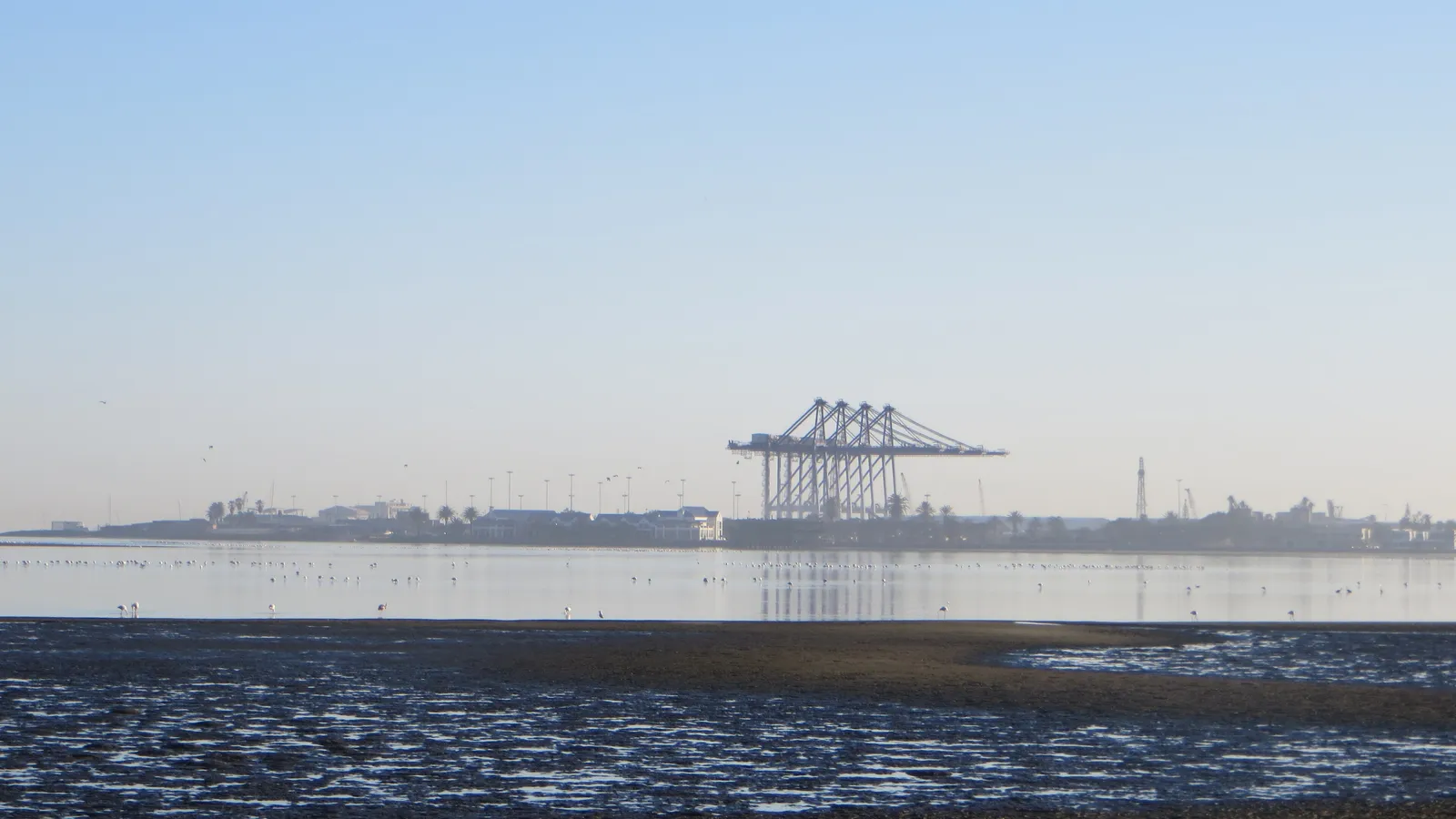

CAPE TOWN — Aliko Dangote has broken ground on a $2.5 billion fuel storage and pipeline project outside Walvis Bay, a bet that Namibia’s Atlantic port can become the gateway for petrol and diesel into Southern Africa’s landlocked economies. President Netumbo Nandi-Ndaitwah officiated at the launch on Wednesday.
The tank farm, on a site outside the port town, is designed to hold about 600 million litres, roughly four million barrels, split between 360 million litres of diesel and 240 million of petrol. That is eight times the 75 million litres held at Namibia’s National Oil Storage Facility, which the state oil company Namcor runs. The storage figure is more than double the 1.6 million barrels described when the plans first surfaced in July 2025.
“We want to invest heavily so that landlocked countries can access petroleum products at cheaper prices,” Dangote said. He expects the terminal to be finished within 18 to 20 months.
The pipeline question
The bigger prize is the inland network. Dangote described a pipeline of about 1,700km linking Walvis Bay to Botswana, Zambia and Zimbabwe, and potentially the Democratic Republic of Congo. That is shorter than the 2,500km-plus network he outlined earlier, and it still needs agreements with transit and destination governments before it can be built. Nandi-Ndaitwah said the project has sat in the Office of the President since 2025 and will stay a presidential project until it is finished.
For Dangote, the terminal gives the 700,000 barrel-a-day Lekki refinery in Nigeria a distribution base on the Atlantic side of Southern Africa, at a time when the region’s reliance on imported fuel has been exposed by supply disruption from the Middle East. He said the group had raised its Africa investment target for 2030 from $50 billion to $60 billion.
What to watch
The environmental impact assessment for the tank farm has to be approved before construction of the petroleum facility starts. After that, the test is whether Botswana, Zambia and Zimbabwe sign on to the pipeline, and whether the 1,700km route is a first phase or the full plan. Related: Namibia’s rate decision and fuel costs and the Dangote refinery IPO.
Sources: Sable Africa, 5 Nov 2026; Offshore Technology, Nov 2026; Businessfront, 4 Nov 2026; OilPrice.com, 4 Nov 2026.
— AB24 · Cape Town