

Health & Fitness · Central & East Africa
Ebola outbreak passes 10,000 confirmed cases as Africa CDC calls health ministers together
The Bundibugyo-strain outbreak — with no approved vaccine or treatment — has now killed nearly 5,000 people, almost all in DR Congo, with cases confirmed in Kenya and Nigeria. Africa CDC convened ministers on 28 October.
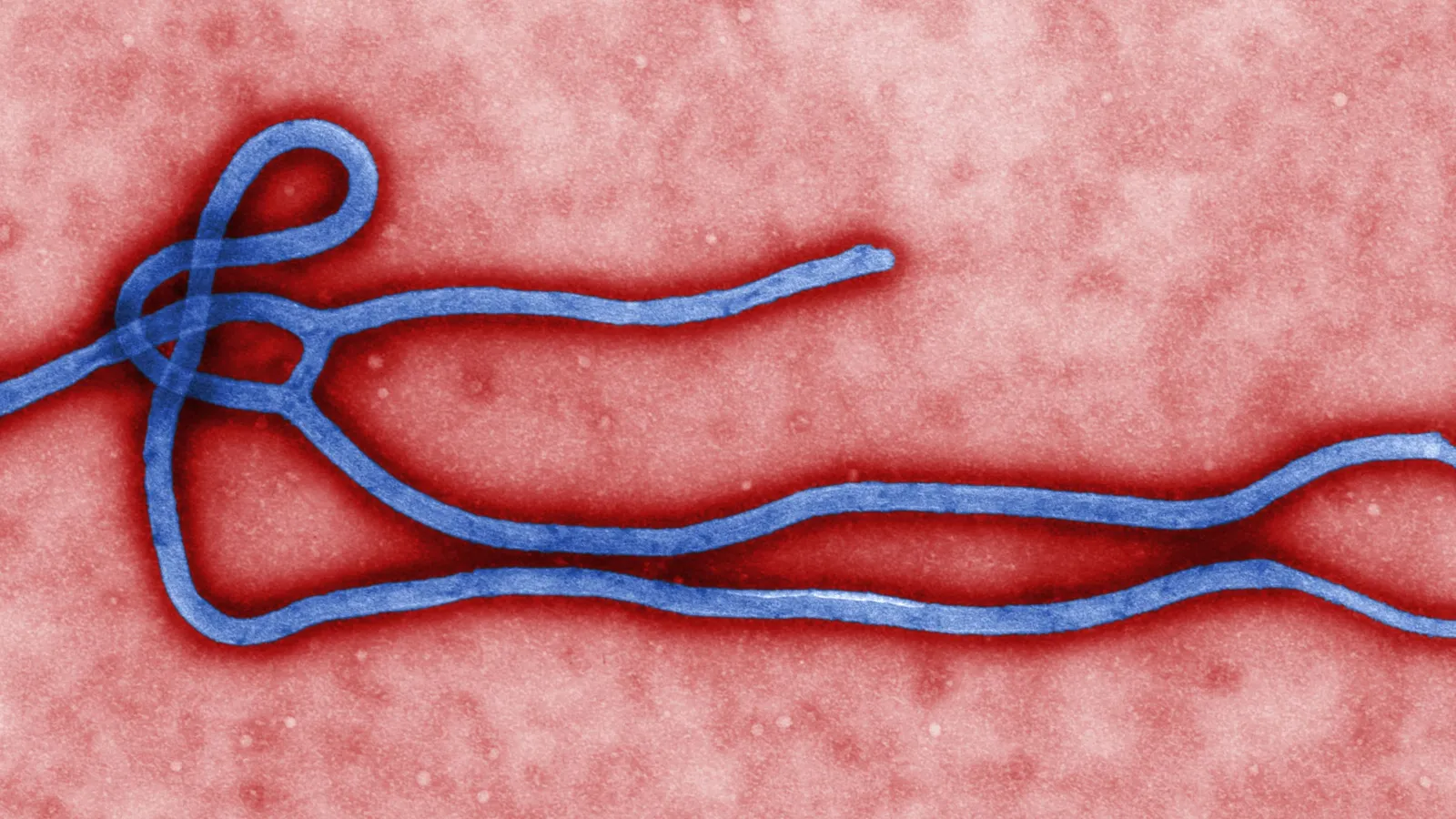

NAIROBI — Africa’s Ebola outbreak has passed 10,000 confirmed cases. Congolese health authorities put the toll at 10,060 cases and 4,887 deaths since the outbreak was identified in mid-May, AFP and DW reported on 27 October. The US Centers for Disease Control and Prevention’s situation summary, counting all countries to 26 October, has 10,172 confirmed cases and 4,932 deaths.
The outbreak is driven by the Bundibugyo species of Ebola, for which there is no approved vaccine or specific treatment. It is DR Congo’s 17th Ebola outbreak and, per the US CDC, now the second-largest on record. It passed 1,000 confirmed cases within 40 days of the response being activated; the 2018 Congolese outbreak took about 235 days to reach that mark.
Where it is
Cases have been confirmed in eight Congolese provinces — Bas-Uele, Haut-Uele, Ituri, Nord-Kivu, Sud-Kivu, Sud-Ubangi, Nord-Ubangi and Tshopo — with Ituri and North Kivu, the latter partly controlled by the M23-linked rebellion, accounting for most of them. Insecurity is a direct constraint: ABC News reported an attack on health workers responding to an Ebola alert that left one nurse dead.
Outside DR Congo, Kenya’s health ministry has confirmed nine cases and two deaths, all in Nairobi and all linked to a travel-related first case reported on 6 October; it reports no community spread. Nigeria reported its first case on 20 October. Uganda’s 21 confirmed and probable cases are no longer active.
Ministers called in
The Africa Centres for Disease Control and Prevention, which declared the outbreak a Public Health Emergency of Continental Security on 18 May, convened a virtual meeting of African health ministers on 28 October. “Ebola is crossing borders. Our response must move faster,” Director-General Jean Kaseya said in Africa CDC’s announcement. The meeting is meant to feed into a heads-of-state summit under AU chair Évariste Ndayishimiye.
In an interview with the Kenya News Agency, Kaseya listed the gaps plainly: “We don’t have sufficient human resources… We don’t have vaccines and medicines. We don’t have appropriate funding coming from African countries to respond to that.” AB24 had not seen a published communiqué from the ministerial meeting at filing time.
For readers in Kenya: the national figure is small and contained to known contacts, but Moyale’s refugee influx and regional travel mean surveillance, not panic, is the operative word. Clinical trials of candidate antivirals and of whether existing Ebola vaccines protect against Bundibugyo are under way; none is yet approved.
Sources: US CDC situation summary, 28 Oct 2026; AFP, 27 Oct 2026; DW, 27 Oct 2026; Africa CDC, 21 Oct 2026; Kenya News Agency, 28 Oct 2026; ABC News, 28 Oct 2026. Case counts differ by source and cut-off date and will change.
— AB24 · Nairobi