

Health & Fitness · Southern Africa
Weight-loss jab crackdown could hit up to 300,000 South Africans using compounded GLP-1s
SAHPRA and the Pharmacy Council are clamping down on pharmacies mass-producing semaglutide and tirzepatide, with new compounding rules due in early 2027 — leaving patients weighing R4,000–R6,000 registered alternatives.
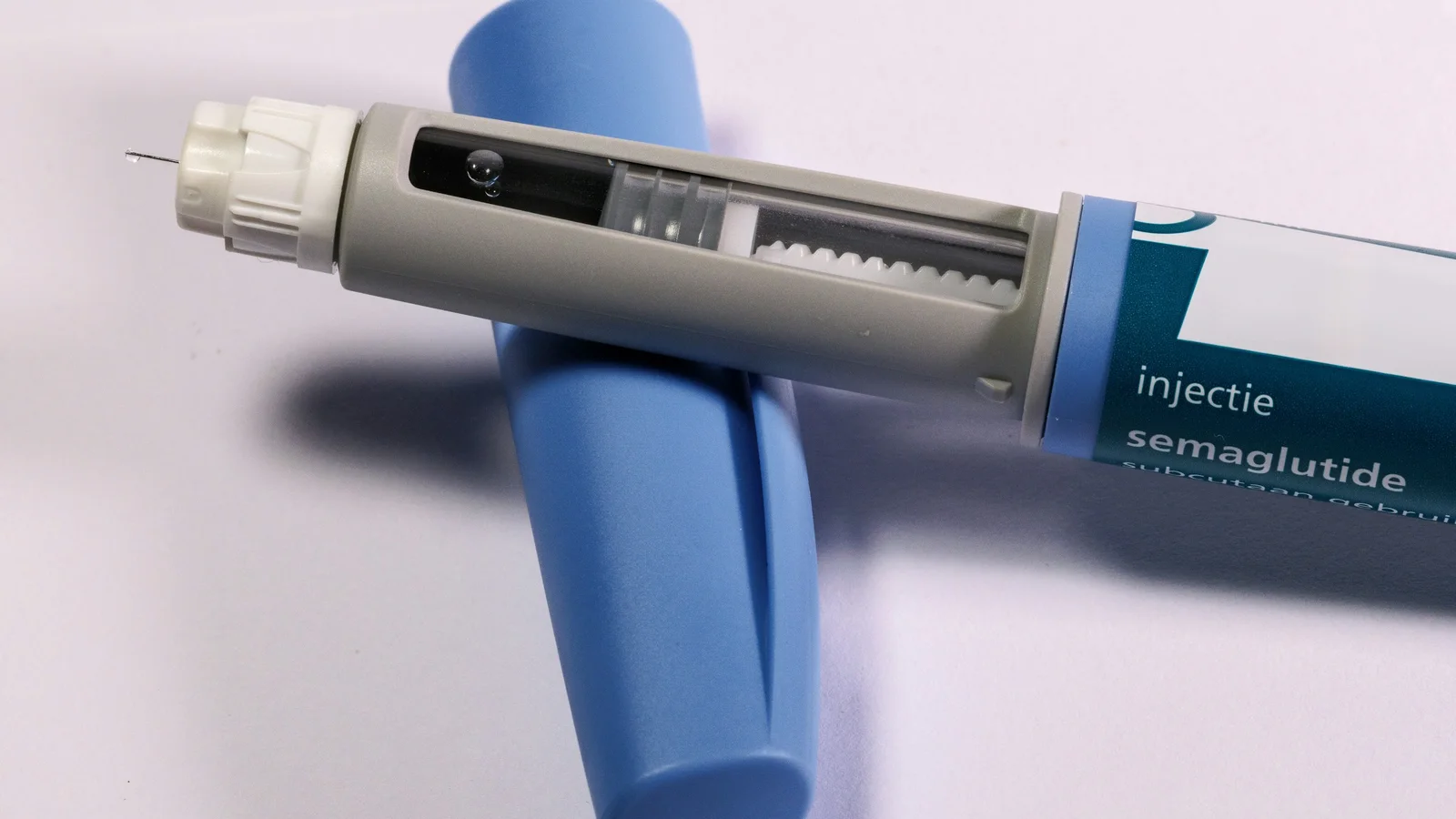
JOHANNESBURG — Up to 300,000 South Africans who use cheaper, pharmacy-made versions of GLP-1 weight-loss injections could be affected as regulators clamp down on illegal compounding, The South African reported, a shift that may leave patients choosing between far pricier registered medicines, stopping treatment, or turning to riskier sources. The publication did not set out how the 300,000 estimate was calculated.
GLP-1 medicines — the class that includes semaglutide, sold by Novo Nordisk as Ozempic and Wegovy, and tirzepatide, sold by Eli Lilly as Mounjaro — are registered, prescription-only treatments in South Africa. Their popularity has fuelled a parallel market in compounded versions made by pharmacies, often at a fraction of the price.
What the crackdown is
The enforcement push is led by the South African Health Products Regulatory Authority (SAHPRA) and the South African Pharmacy Council (SAPC). In a statement dated 23 May 2026, SAHPRA said the two bodies had inspected iDexis (Pty) Ltd, trading as Sentra Pharmacy in Silverton, Pretoria, on 11 May and seized all semaglutide, tirzepatide and combination injectables found on site.
The regulator said the company was producing medicines “under the pretext of ‘compounding’” for broad commercial distribution. Compounding, it said, is limited to preparing medicines for an individual patient with a valid prescription. SAHPRA listed illegally imported active ingredients, no testing for identity, potency or purity, and inadequate sterile conditions, and said it had noted reports of adverse events, including hospitalisations. The company was told to recall affected products.
In July, SAHPRA, the SAPC and the Health Professions Council warned health professionals to stop prescribing or dispensing the recalled products, according to SA Health News. A Pretoria High Court interim interdict, sought by Novo Nordisk, has since barred the pharmacy from making and distributing unauthorised semaglutide medicines, RetaRadar reported.
New rules on the way
Regulators are now rewriting the rulebook. At a Johannesburg roundtable on 14 October, SAPC registrar Vincent Tlala said revised minimum standards for compounding were expected to go before the council in February, with publication targeted for March and updated SAHPRA guidelines at the same time, Reuters reported. “What we are seeing in the market, and which we are against, is when pharmacies become small-scale manufacturers,” Tlala said.
“There is a scourge of compounded products, especially in the area of weight-loss,” SAHPRA’s Daphney Fafudi told Reuters. Until new rules are published, existing medicines law continues to apply.
The cost problem
For patients, the issue is price. Health management company Obiflex estimates registered, doctor-prescribed alternatives could cost between R4,000 and R6,000 a month, The South African reported. “There are hundreds of thousands of South Africans, wanting to go on this weight-loss journey but they just simply can’t afford the R4000 to R6000,” Obiflex CEO Shaun Barns said.
Barns also warned that tests had found discrepancies of up to 40% between the dose stated on some illicit products and what they actually contained.
What patients should do
The enforcement findings concern specific unregistered or recalled products, not every pharmacy-prepared medicine or registered GLP-1 treatment. Based on the regulators’ guidance:
- Get GLP-1 medicines only on a doctor’s prescription, through an accredited pharmacy.
- Avoid weight-loss injections advertised on social media or sold by unverified online sellers.
- If you have a recalled iDexis/Sentra product, stop using it and speak to your doctor or pharmacist — don’t stop or switch medicines without advice.
- Report side effects to SAHPRA through its adverse-event reporting channels.
Sources: The South African (Tarryn-Leigh Solomons, 4 Oct 2026); SAHPRA statement (23 May 2026); Reuters via CNBC Africa (15 Oct 2026); SA Health News (16 Oct 2026); RetaRadar (26 Oct 2026). Quotes are from published reports. This article is not medical advice.
— AB24 · Johannesburg