

Health · Malawi · Medicine
Malawi hospital patients buy their own medicines as forex shortage empties shelves
Availability of essential medicines has fallen to about 40% nationally, and the state medical stores owes foreign suppliers about $18 million it cannot pay in dollars.
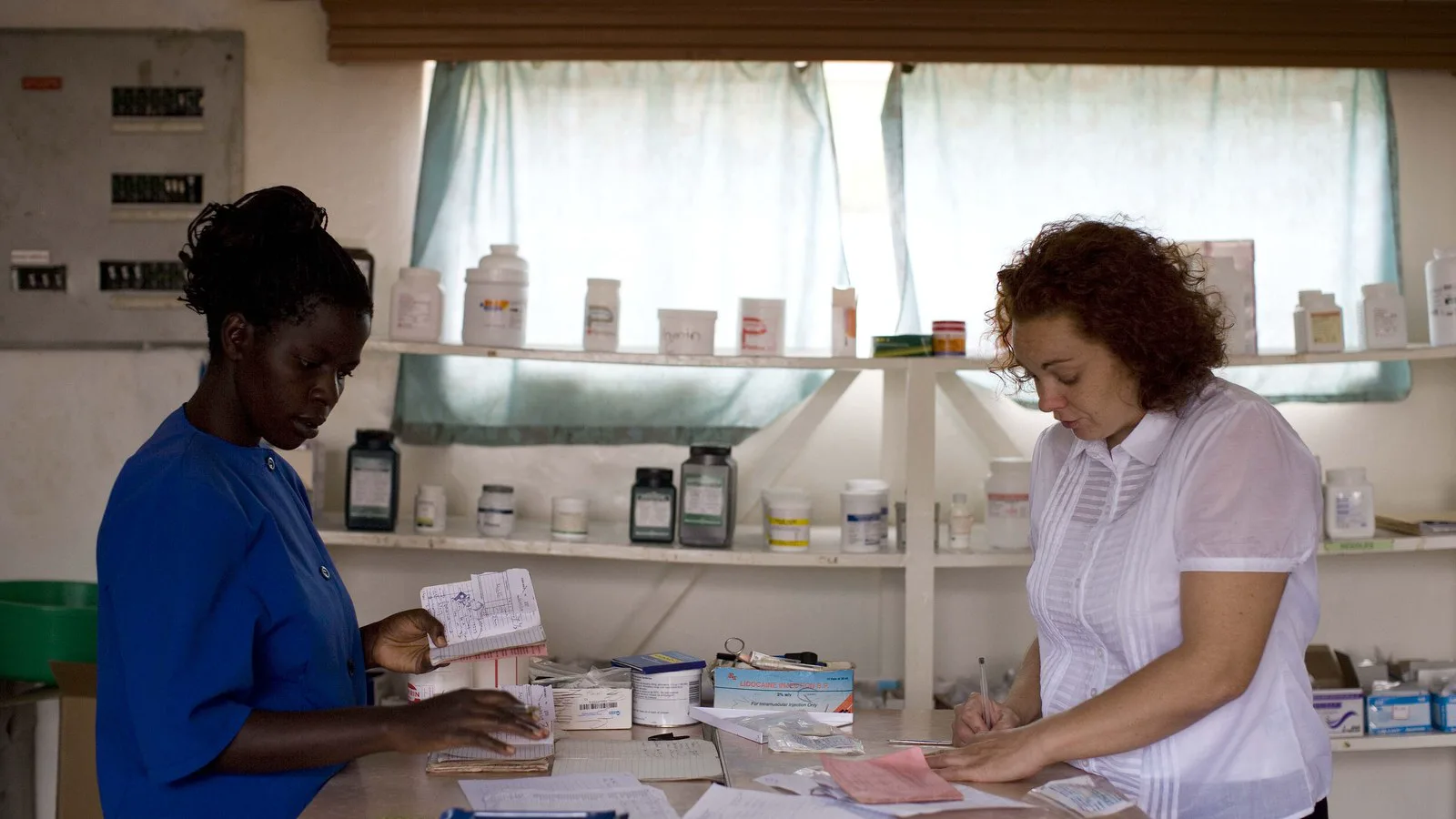

Patients in Malawi's public hospitals are being sent to private vendors to buy painkillers, gloves and antibiotics as the country's worst medical supply breakdown in more than a decade deepens.
Nationwide availability of essential medicines has dropped to about 40%, down from 77% in early 2025, according to internal reporting from the state-run Central Medical Stores Trust (CMST) cited by The Guardian. Some major referral hospitals are as low as 18%.
At Salima district hospital, which serves more than 500,000 people on the western shore of Lake Malawi, staff said intravenous fluids had run out for more than a week. Sterile gloves, painkillers, catheter bags and bandages had been short for up to three months.
"The only free thing here is a bed," a 25-year-old pregnant patient told The Guardian.
Why the shelves are empty
Malawi imports nearly 80% of its pharmaceutical and surgical supplies, and it is short of foreign currency.
CMST owes international suppliers more than $18 million, about K31 billion. Some suppliers have cut deliveries and others have stopped supplying the public health system.
CMST chief executive Moses Chisale has said the trust has money in kwacha but needs dollars to pay foreign suppliers. He said availability at central hospitals was around 20% to 25%.
Official foreign reserves cover about two and a half months of imports, below the three-month benchmark, and commercial banks are rationing US dollars. Fuel imports now cost more than $700 million a year and inflation is running at about 20%.
Parliament set aside K108.3 billion, about $63 million, for medicines and medical supplies in the 2026-27 budget. A government order for CMST to buy from Malawi's five local drug makers has not closed the gap, because those firms also need dollars to import raw materials and packaging.
The cost to families
In a country where public healthcare is meant to be free at the point of use, families are paying. One woman caring for a pregnant relative at Salima said she was sent to a private dispensary to buy two vials of injectable antibiotics at K4,000 each, about $2.30 a vial.
Health rights advocates say shortages at district level are pushing patients into already crowded central hospitals.
A CMST spokesperson, Herbert Chandilanga, said foreign exchange constraints and delayed funding had disrupted supply chains. He said the trust had recently begun paying off arrears to suppliers and distributors to restore deliveries.
SourcesShow
- The Guardian, "'The only free thing is a bed': hospital patients forced to pay as Malawi runs out of medicines", 25 November 2026. https://www.theguardian.com/global-development/2026/nov/25/malawi-healthcare-hospitals-drug-shortage-medicines
- Nation Online, "Forex, debt worsen drug crisis", November 2026. https://mwnation.com/forex-debt-worsen-drug-crisis/
- The Times Group, "Forex hitch chokes drug supply", November 2026. https://times.mw/forex-hitch-chokes-drug-supply/
AB24 · Johannesburg