

Health · Africa · HIV
UNAIDS warns HIV progress could unravel as funding cuts leave a $4.3 billion annual gap
The agency's new report says prevention services have been hit hardest, and HIV funding per person fell 13% in eastern and southern Africa last year.
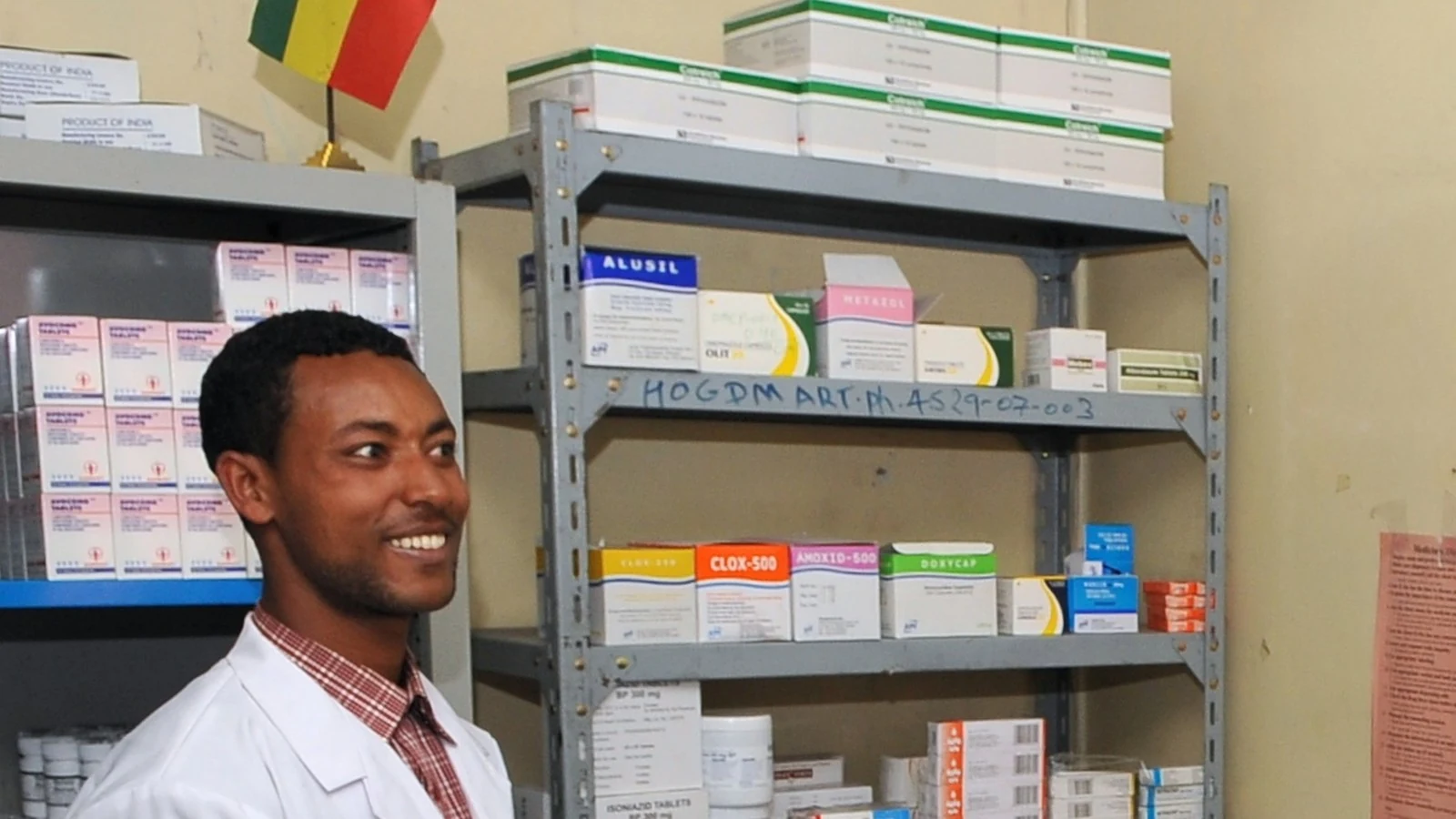

Decades of progress against HIV could be reversed as international funding dries up, UNAIDS warned on Tuesday in its new Global AIDS Update report.
HIV resources in low- and middle-income countries fell by more than $1 billion in 2025. That leaves a $4.3 billion gap between the money available and what is needed each year to stay on track to end AIDS as a public health threat by 2030.
Treatment has largely held. About 32.1 million of the 40 million people living with HIV are now on treatment. Prevention has not fared as well.
Prevention hit hardest
About 446,000 fewer people used oral pre-exposure prophylaxis, known as PrEP, in 2025 than the year before, across reporting countries. Among key populations in select countries, PrEP use fell 59% among sex workers and 58% among people who inject drugs.
Global condom distribution dropped from 3 billion to 2.7 billion between 2024 and 2025. Voluntary medical male circumcision procedures fell 53% across priority countries.
Only 2.6 million people had access to PrEP in 2025, against the more than 20 million UNAIDS says need it by 2030.
What it means for Africa
HIV funding per person fell 13% in eastern and southern Africa, from $16 to $14, and 12% in western and central Africa, from $3.40 to $3, the report's regional figures show.
The report says many prevention programmes for adolescent girls and young women in sub-Saharan Africa are being dismantled as funding declines.
Domestic spending rose slightly and now makes up about 59% of HIV resources in low- and middle-income countries. UNAIDS says that increase partly reflects the sharp fall in outside money and falls far short of replacing it.
International HIV financing fell 18% in 2025. US bilateral contributions dropped 26% and Global Fund disbursements fell 13%.
"The world is sleepwalking into a preventable crisis," UNAIDS Executive Director Winnie Byanyima said.
UNAIDS says reaching the 2030 goal could still prevent 3.2 million new infections and avert 1.3 million AIDS-related deaths by the end of the decade.
SourcesShow
- UNAIDS, "Decades of HIV progress are threatened by barriers to access - but governments and communities can prevent a resurgence, warns UNAIDS", 24 November 2026. https://www.unaids.org/en/resources/presscentre/pressreleaseandstatementarchive/2026/november/20261124_PR_GAU26_report
- UN News, "Decades of gains against AIDS could unravel as HIV funding dries up", November 2026. https://news.un.org/en/story/2026/11/1168869
- UNAIDS, Global AIDS Update 2026 executive summary and full report. https://www.unaids.org/sites/default/files/2026-11/2026-WAD-report_exec_summary.pdf
- AllAfrica, "All of Africa Today", 25 November 2026. https://allafrica.com/stories/202611250190.html
AB24 · Nairobi