

Politics · Nigeria · Policing
Nigeria's state police amendment clears 32 state assemblies as Senate readies it for Tinubu
Senate Leader Opeyemi Bamidele says four legislatures have until Tuesday to report, and lawmakers will move ahead either way.
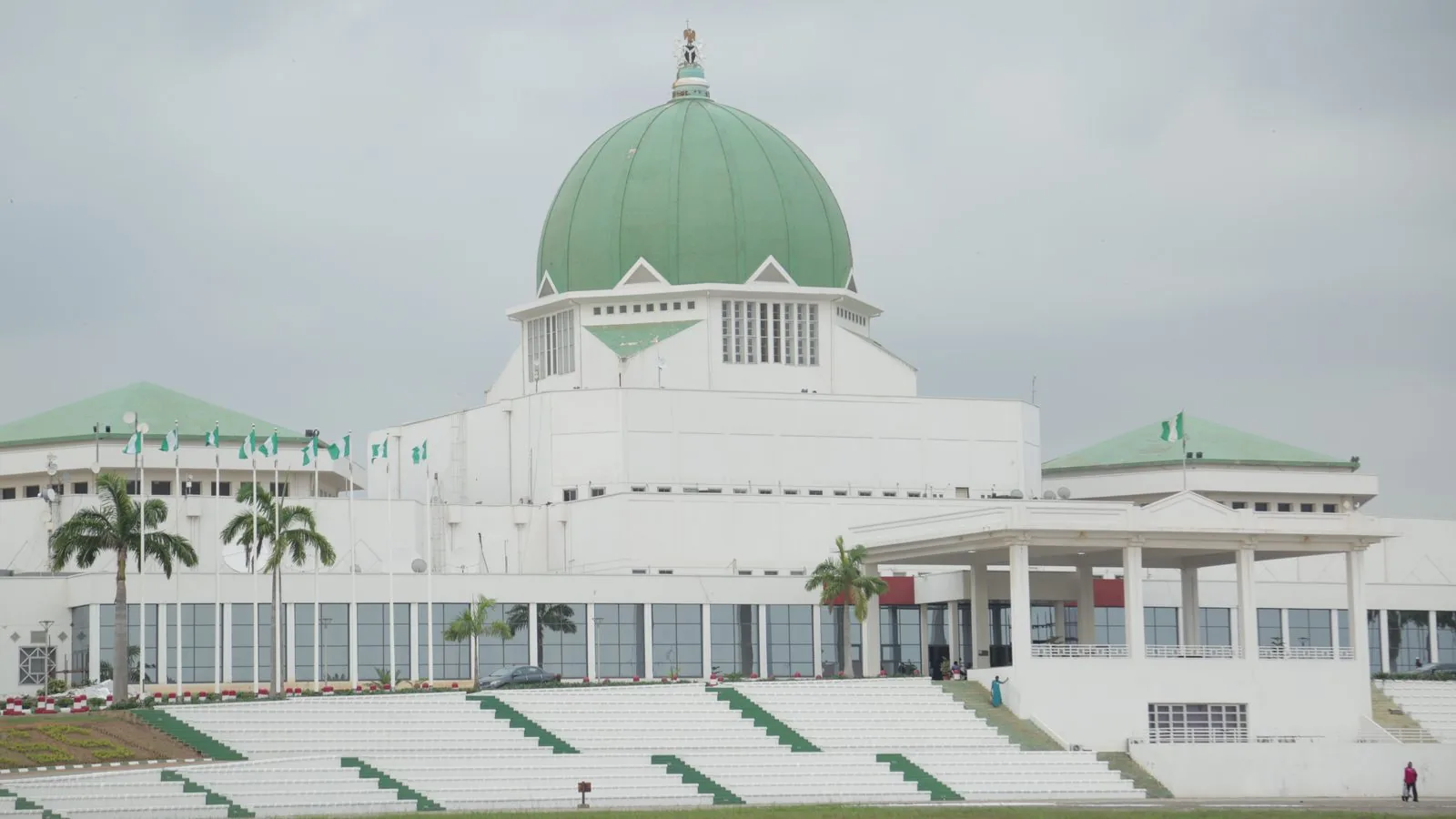

Nigeria's plan to let its states run their own police forces has been approved by 32 state legislatures, Senate Leader Opeyemi Bamidele said on Sunday, moving the constitutional amendment closer to President Bola Tinubu's desk.
The State Police (Constitution Alteration) Bill, 2026 would create a Federal Police Service and State Police Services, in a major restructuring of the country's centralised policing system.
A constitutional amendment in Nigeria needs the approval of at least two-thirds of the 36 state Houses of Assembly, or 24 of them, under Section 9(2) of the 1999 Constitution. Bamidele said that threshold had been crossed.
"As shown in the records of the National Assembly, no fewer than 32 State Houses of Assembly have approved the State Police (Constitution Alteration) Bill, 2026," he said in a statement issued in Abuja.
Tuesday deadline
The four remaining assemblies have until Tuesday, 17 November, when the National Assembly reconvenes, to submit their reports. A list published in late October named the outstanding states as Katsina, Bauchi, Borno and Niger.
"Whether the remaining states turn in their reports or not, we must move forward and fulfil the aspiration of our people," Bamidele said.
He said lawmakers were "under obligation" to transmit the bill to Tinubu for assent, and described the coming week as "decisive and defining" for the National Assembly.
Why it matters
The push for state police has gained momentum amid persistent banditry, kidnapping, terrorism and communal violence, which have stretched security agencies in several parts of the country.
Earlier attempts to decentralise policing ran into resistance over fears of political interference, abuse of power and the use of state forces against political opponents.
Bamidele rejected that concern. He said the arrangement was not intended to create ethnic or state armies, but community-based policing structures operating within constitutional safeguards.
What happens next
Lawmakers return on Tuesday. If the bill is transmitted as Bamidele described, it will need Tinubu's assent to take effect.
His statement did not set out a timetable for states to stand up their own forces, or how those forces would be funded.
References
- Punch, "State police: Senate sets November 17 deadline for four states", 15 Nov 2026. https://punchng.com/state-police-senate-sets-november-17-deadline-for-four-states/
- Naija News, "State Police: 32 States Approve Bill, Four Given Tuesday Deadline", 15 Nov 2026. https://www.naijanews.com/2026/11/15/state-police-32-states-approve-bill-four-given-tuesday-deadline/
- Galaxy Television, "Senate gives 4 states Tuesday deadline on state police", Nov 2026. https://www.galaxytvonline.com/news/politics/state-police-bill-senate-gives-four-states-48-hours-to-submit-reports
- Golden Touch News, "State Police: Katsina, Bauchi, Borno, Niger yet to approve bill", Oct 2026. https://goldentouchnews.com/state-police-katsina-bauchi-borno-niger-yet-to-approve-bill/
AB24 · Lagos