

Security · Rwanda · Justice
US deports Rwandan genocide suspect Jean Léonard Teganya to face trial in Kigali
The former medical student, indicted in Rwanda in 2014 over killings in Butare, was handed to prosecutors at Kigali International Airport on Monday evening after serving a US sentence for immigration fraud and perjury.
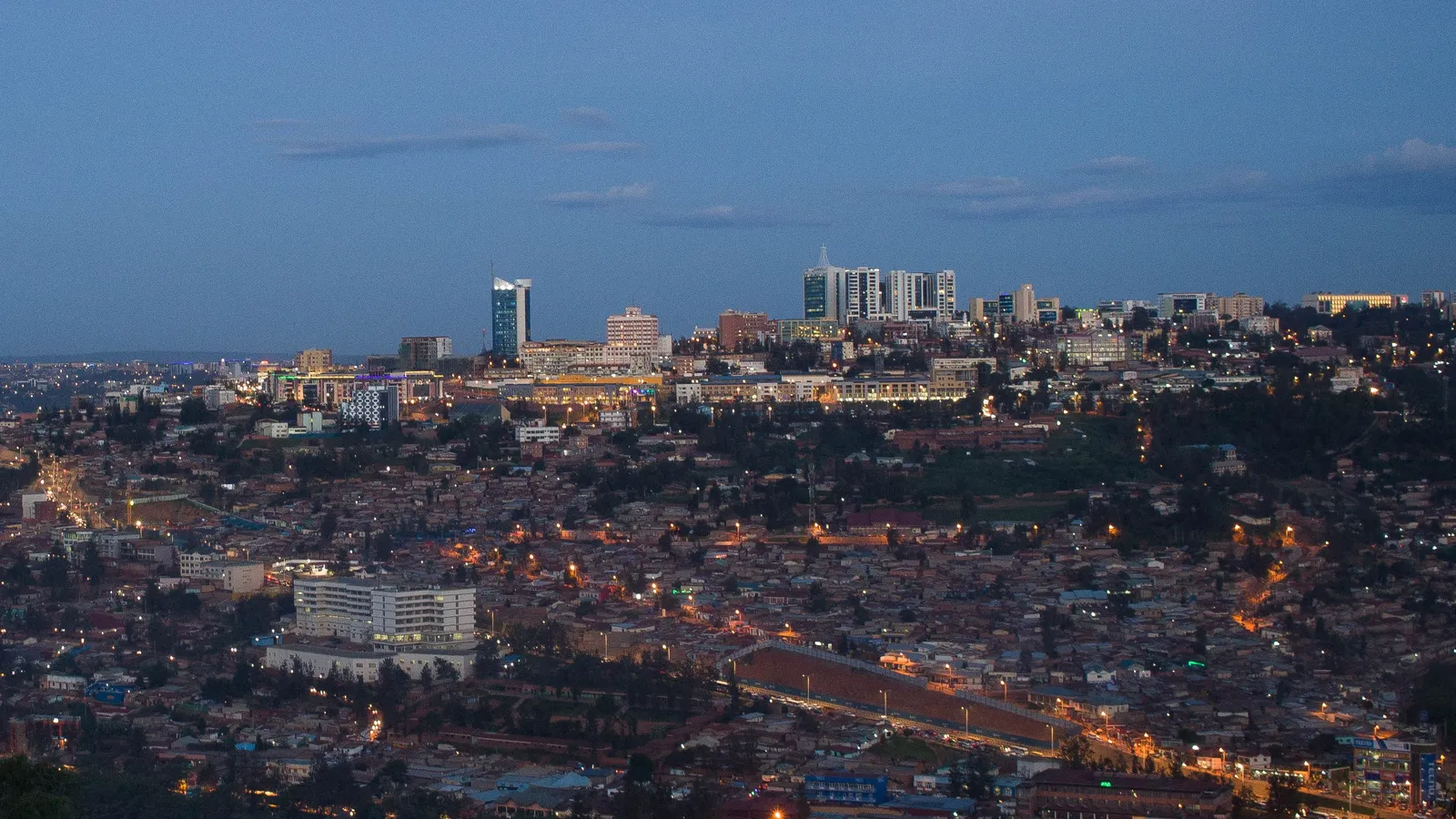

NAIROBI. The United States has deported Jean Léonard Teganya, a Rwandan man accused of taking part in the 1994 Genocide against the Tutsi, to face trial at home. He landed at Kigali International Airport on Monday evening, 9 November, accompanied by US officers, and was handed over to the National Public Prosecution Authority and arrested.
The NPPA indicted Teganya in 2014 over genocide and crimes against humanity in the former Butare prefecture in southern Rwanda, now Huye District. It has not published the individual allegations or said when he will first appear in court. NPPA spokesperson Faustin Nkusi said Teganya is the eighth genocide fugitive deported from the United States since 2007, that more indictments for suspects abroad remain pending, and that Teganya was never tried by the Gacaca community courts.
Butare, 1994
In 1994 Teganya was a medical student at the former National University of Rwanda and an intern at the University Teaching Hospital of Butare. Evidence presented in his US trial linked him to the Interahamwe militia and to killings at the hospital and a student dormitory, along with sexual violence against two Tutsi women. Those allegations formed part of the American case about false statements. They are not necessarily the same as the charges in Rwanda’s separate indictment.
Three legal systems
Teganya left Rwanda in July 1994 and travelled through what was then Zaire, Kenya and India before reaching Canada in 1999, where his asylum claim was rejected after years of proceedings. He crossed into the United States on foot near Houlton, Maine, on 3 August 2014 and applied for asylum. In April 2019 a federal jury in Boston convicted him of immigration fraud and perjury for hiding his political affiliations and activities during the genocide, and he was sentenced that July to 97 months in prison.
His return does not amount to a conviction. Rwandan prosecutors must now establish his individual responsibility in court, more than three decades after the killings.
Sources: AP, 10 Nov 2026; Al Jazeera, 10 Nov 2026; The New Times, 9 Nov 2026; Bwiza.
— AB24 · Nairobi