

Politics · DR Congo · Constitution
Tshisekedi signs DR Congo’s referendum law, opening a legal route to constitutional change
Law No. 26/045 sets out how existing constitutional provisions could be put to voters and how a new constitution could be drafted. No referendum has been called, but the opposition sees a path to a third term.
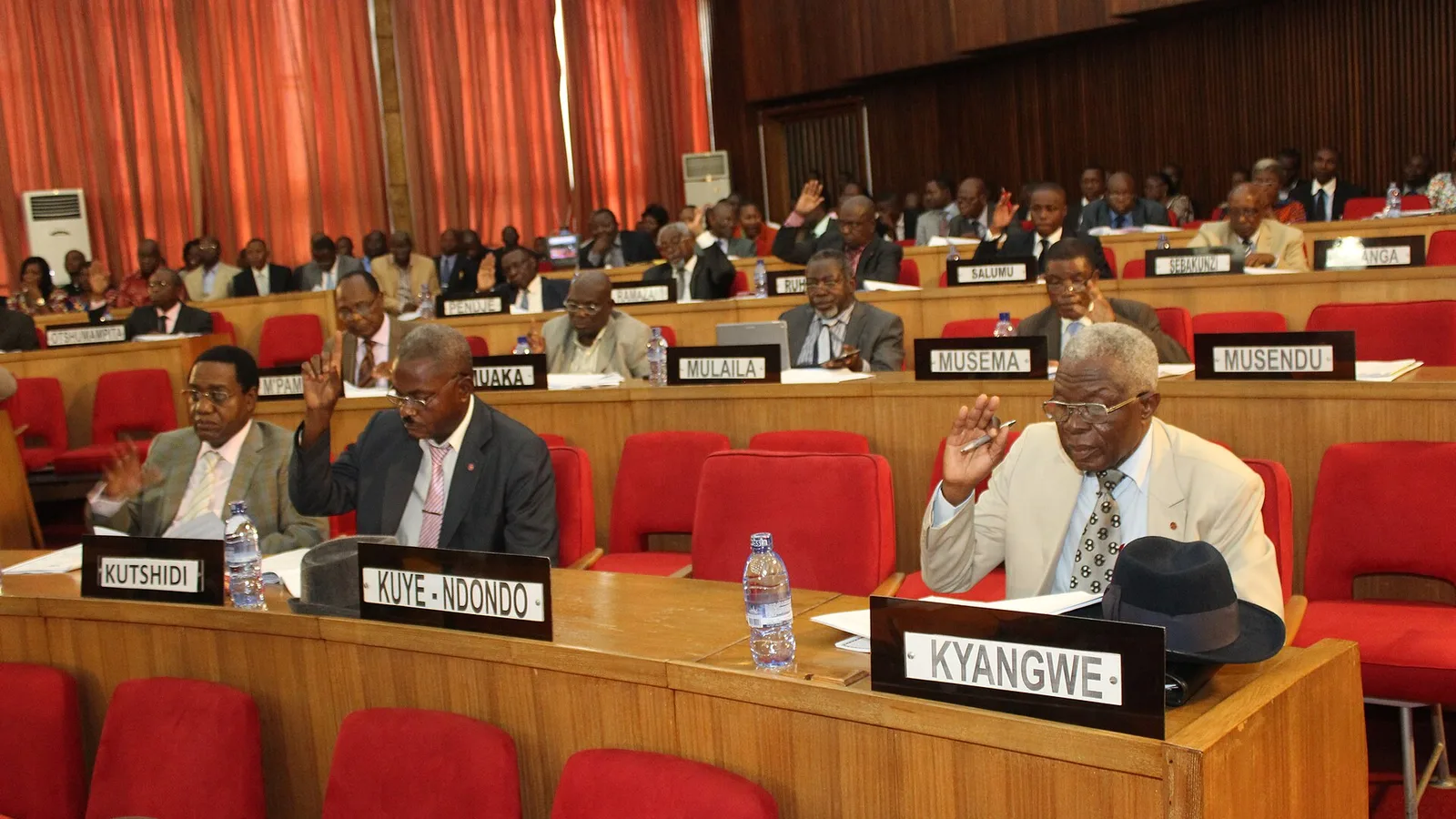

KINSHASA. President Félix Tshisekedi has signed into law a framework for national referendums in the Democratic Republic of Congo, giving the country for the first time since 2005 a standing procedure to put constitutional questions directly to voters. The promulgation of Law No. 26/045, dated 9 November, was announced on state television late on Tuesday by a deputy presidential spokesman.
The law does not amend the constitution, propose any specific change or set a date for a vote. It lays down who can initiate a referendum, how one is convened, how campaigns run and which offences apply. The only previous referendum law, from June 2005, was written for a single vote: the December 2005 ballot that approved the constitution still in force.
A new constitution in “absolute necessity”
The text allows referendums on revising existing constitutional provisions, which the constitution already foresees, and adds a procedure for drafting a new constitution and submitting it to voters if there is “absolute necessity”. That second route is the heart of the dispute.
The current constitution limits the president to two five-year terms, and Article 220 forbids any revision of the number or length of those terms. Tshisekedi began his second term in January 2024 and is due to leave office after the 2028 election. He has denied seeking a third term but said in May that he would accept one if the Congolese people asked for it.
The lawmaker behind the bill, Paul-Gaspard Ngondankoy, has argued that the limits on revision bind state institutions such as parliament sitting in congress, and that voters consulted directly could also decide on protected provisions. Under his reading, a new constitution would begin with a petition of 250,000 citizens to the president, followed by an expert commission, consultations with parties and civil society, and a constituent assembly of national, provincial and local elected officials before any vote.
Opposition alarm
The camps of Martin Fayulu and Moïse Katumbi, which already opposed the ruling coalition’s consultation on possible revision launched in April, say the referendum route could be used to get around the term limit. The bill drew protests while it moved through parliament.
There is also a legal question over timing. Article 219 bars constitutional revision during a state of siege. On the day he promulgated the referendum law, Tshisekedi extended the state of siege in Ituri and North Kivu for another 15 days from 13 November. In May he also said the 2028 elections might not take place on schedule if fighting continues in the east and territory in North and South Kivu remains under rebel control.
For background, see DR Congo tables a record $24.8bn budget for 2027.
Sources: Reuters via CNBC Africa, 11 Nov 2026; RFI, 11 Nov 2026; BaretaNews, 11 Nov 2026; ConstitutionNet, 11 Nov 2026.
AB24 · Dakar