

Climate & Energy · South Africa · Water
South Africa cuts Western Cape water allocations as dams fall and a strong El Niño looms
Domestic and industrial users face a 7% cut and farmers a 15% cut once the measures are gazetted. Dams supplying Cape Town are at 72.5%, down from 84.4% a year ago, after two dry winters.
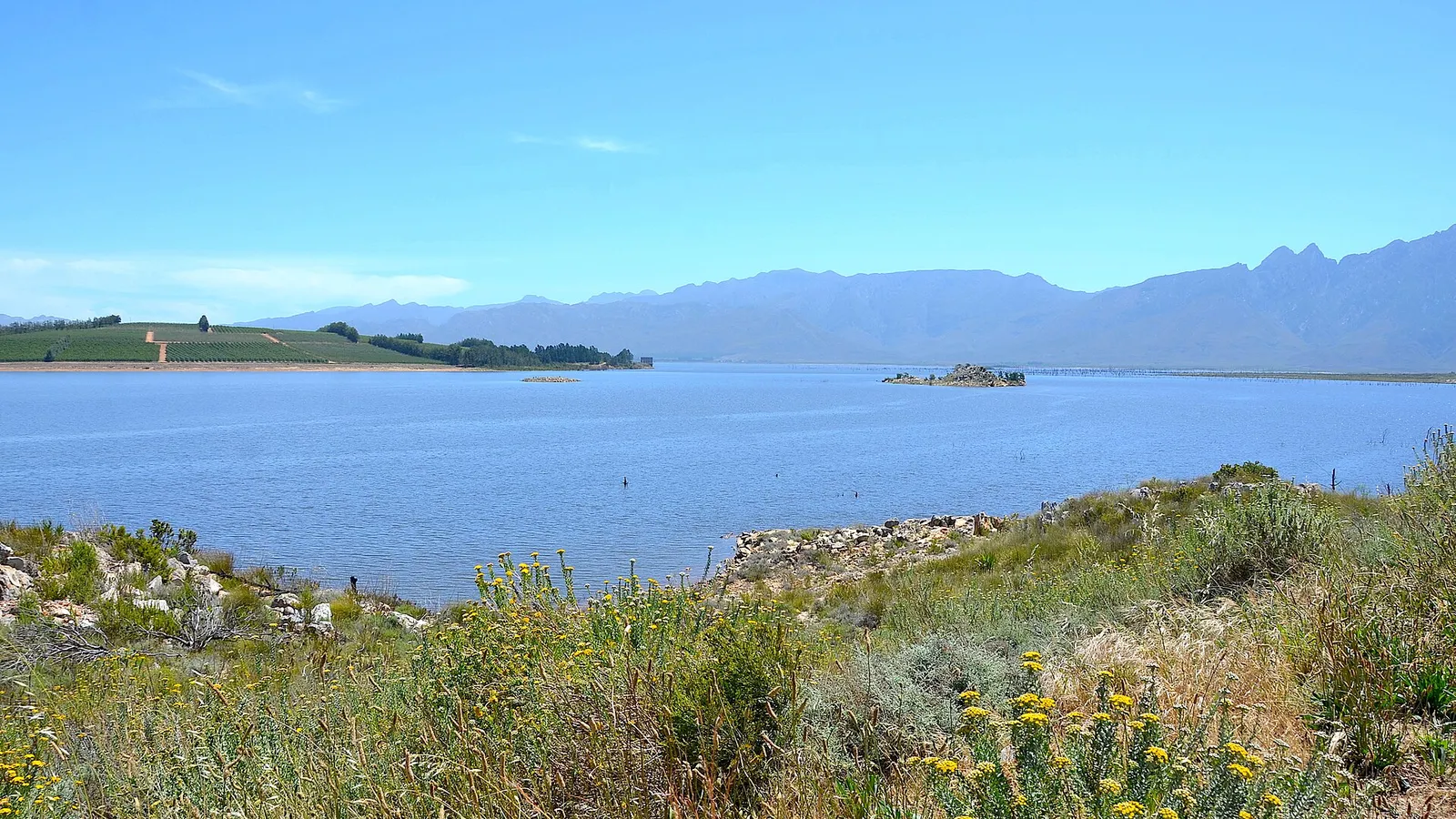

CAPE TOWN. South Africa will cut water allocations from the system that supplies Cape Town and much of the Western Cape, after two dry winters left dams well below their usual levels and forecasters warned of a strong to extreme El Niño. Water and Sanitation Minister Pemmy Majodina announced a 7 percent reduction for domestic and industrial users and a 15 percent cut for irrigation on Monday.
The system, which has a total capacity of about 898.2 million cubic metres, supplies Cape Town, the West Coast, several towns and farms. On 2 November it held 646.5 million cubic metres, about 11.9 percentage points below its 10-year average.
Rainfall in the 2024/25 and 2025/26 seasons measured 722.7mm and 752.8mm, against a long-term average of 964mm. Levels remain far higher than during the 2016/17 drought, but the department’s annual operating analysis found that drawing full allocations without intervention would sharply raise the risk of shortages and mandatory restrictions from 2027. An El Niño would bring higher temperatures, more evaporation and less runoff into the dams.
Act early
“The annual analysis indicates that the system remains operationally stable and capable of supplying current water requirements. However, it also highlights emerging risks that require careful management and require us to act now to protect this precious resource,” Majodina said.
She thanked users who have not been drawing their full allocations and urged municipalities, businesses, farmers and households to step up conservation. “Water conservation is no longer a temporary response to drought. It must become a permanent feature of how we manage this precious resource,” she said. The department will keep monitoring dam levels and demand and may add measures if conditions worsen.
The irrigation cut lands on one of the country’s main export farming regions, where Cape Town and fruit and wine growers draw on the same dams.
AB24 · Cape Town